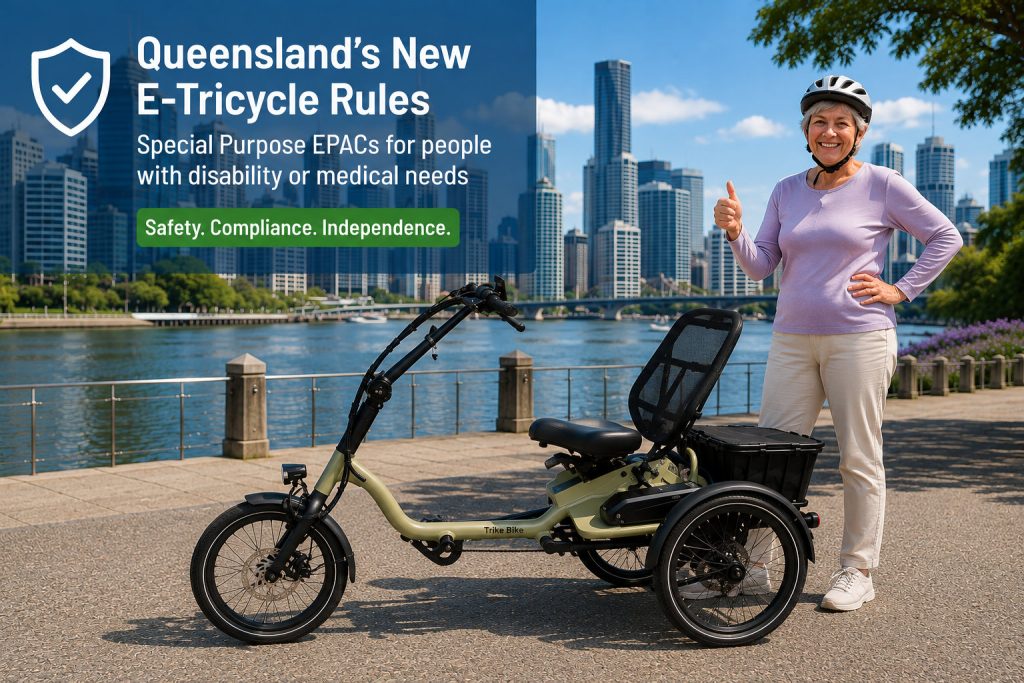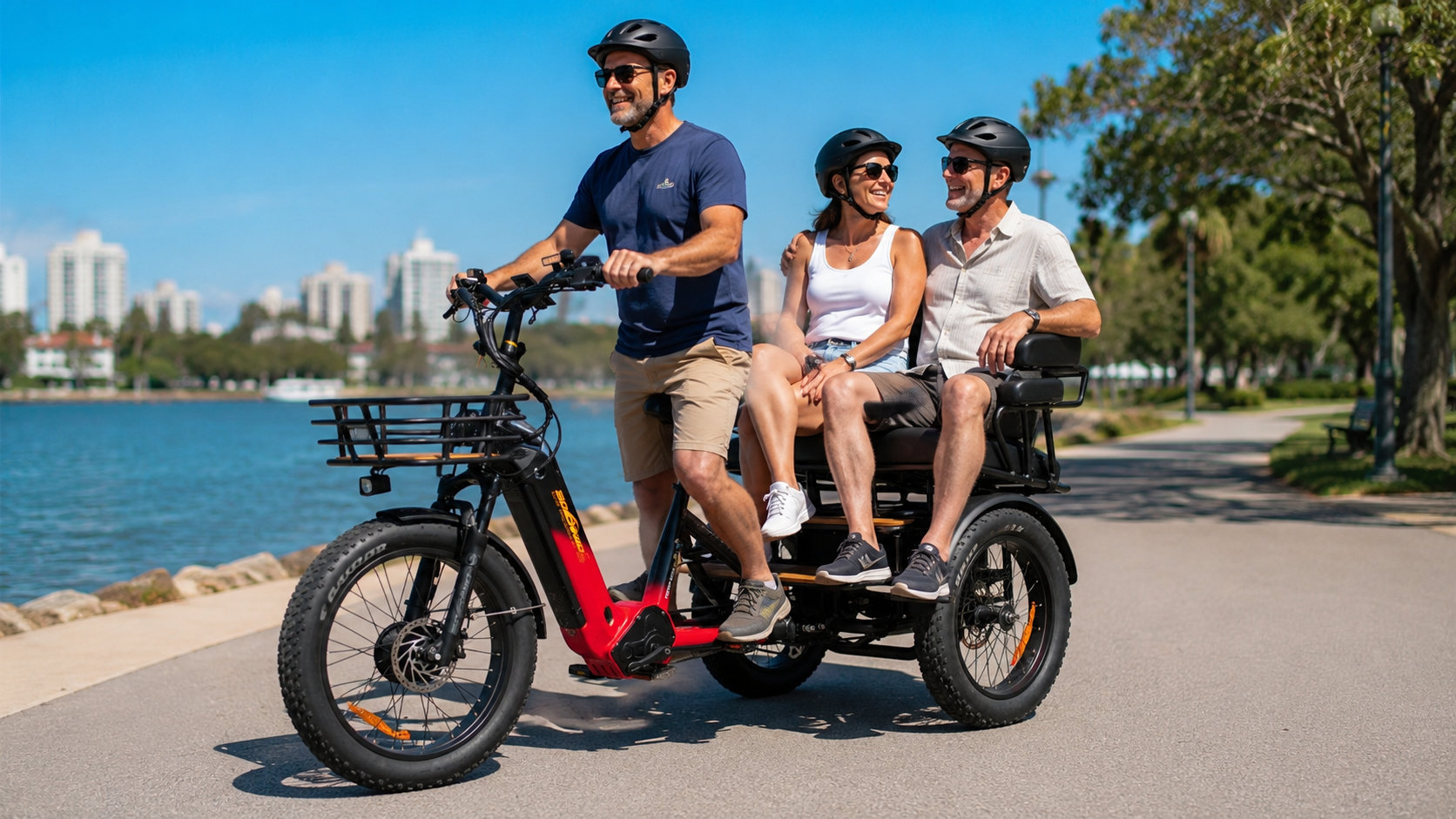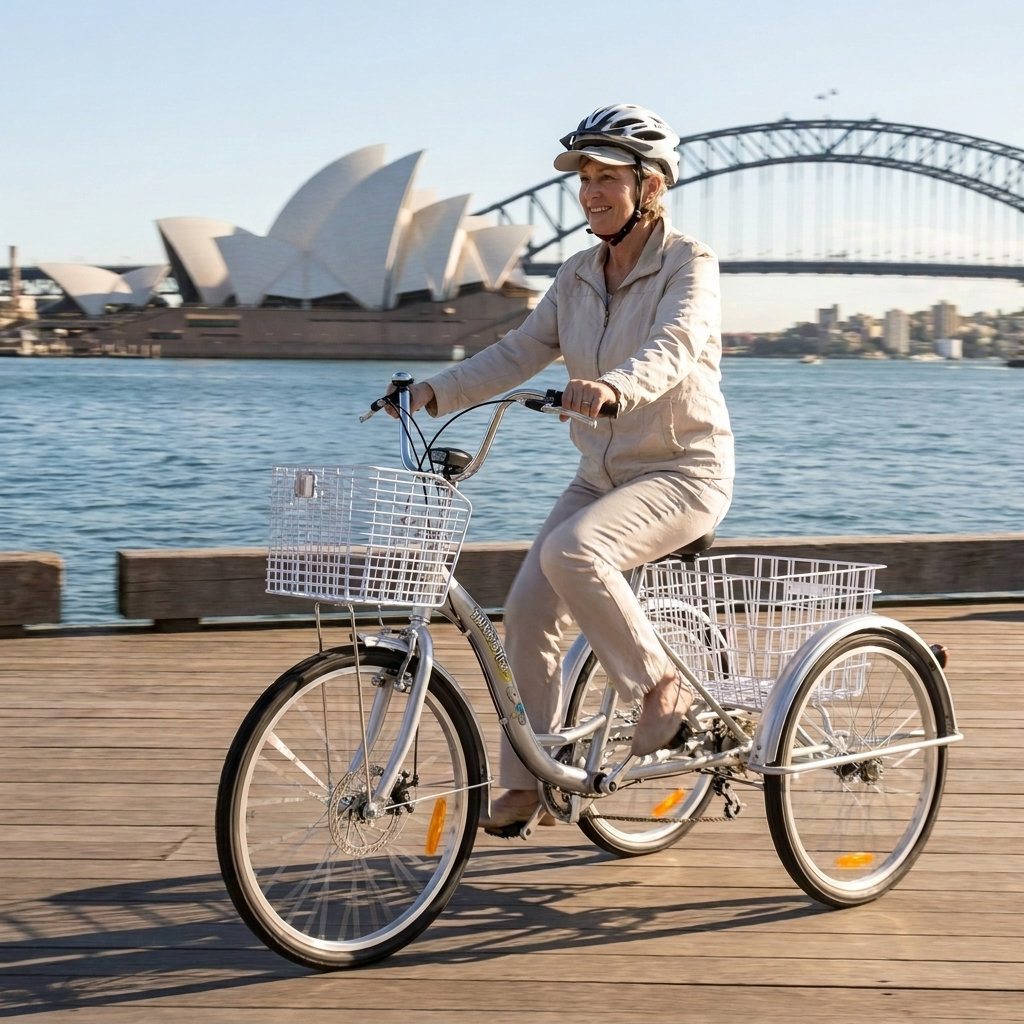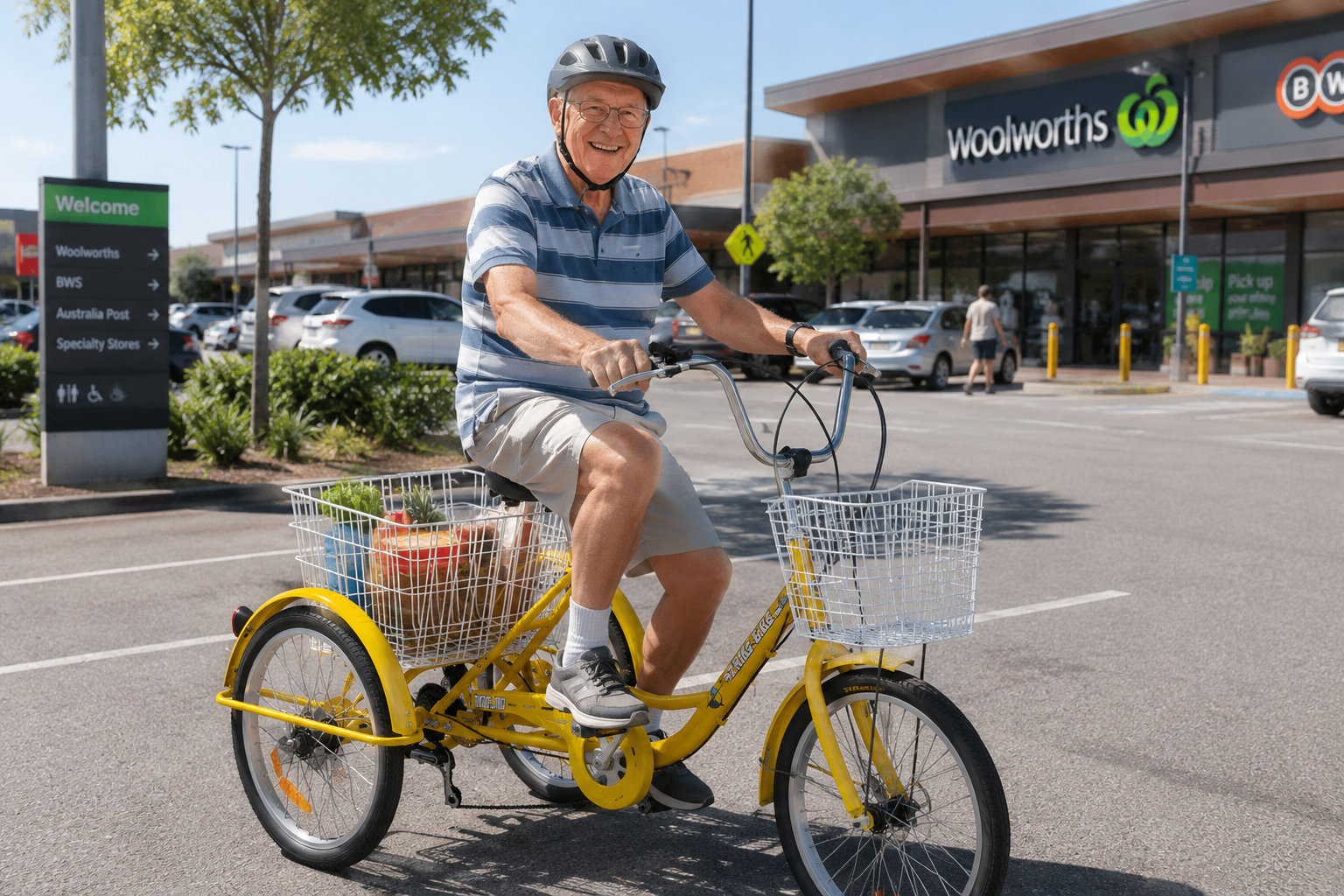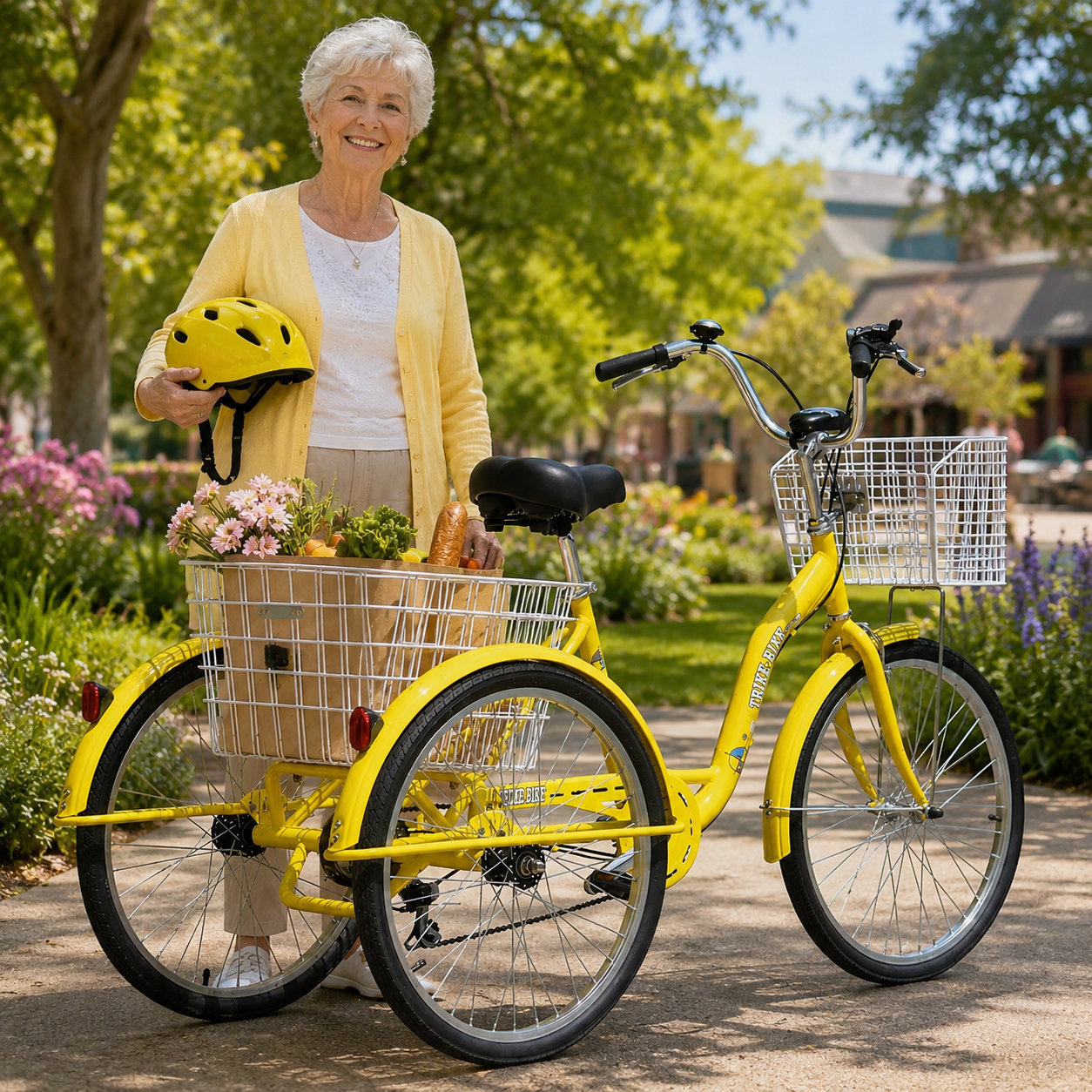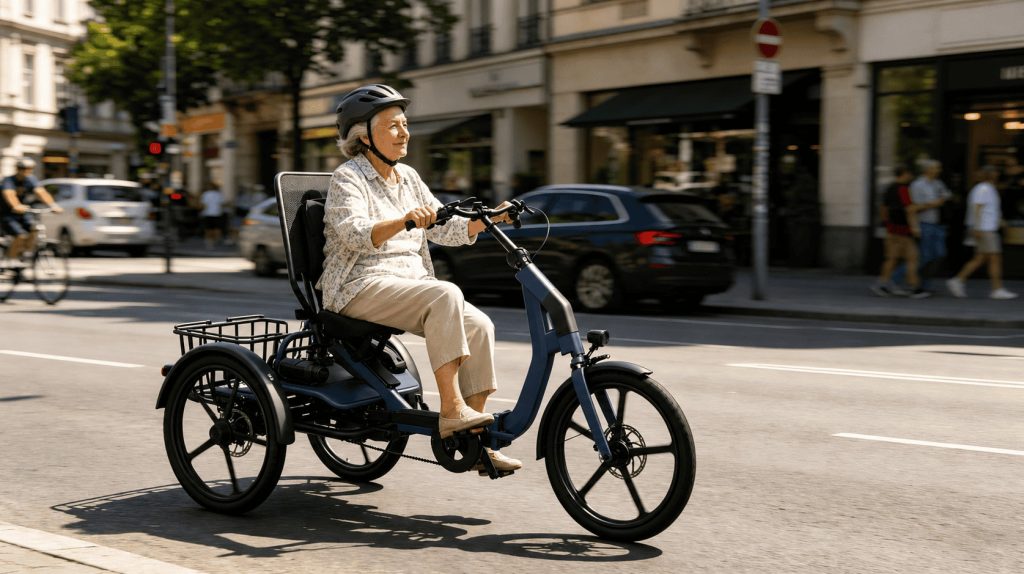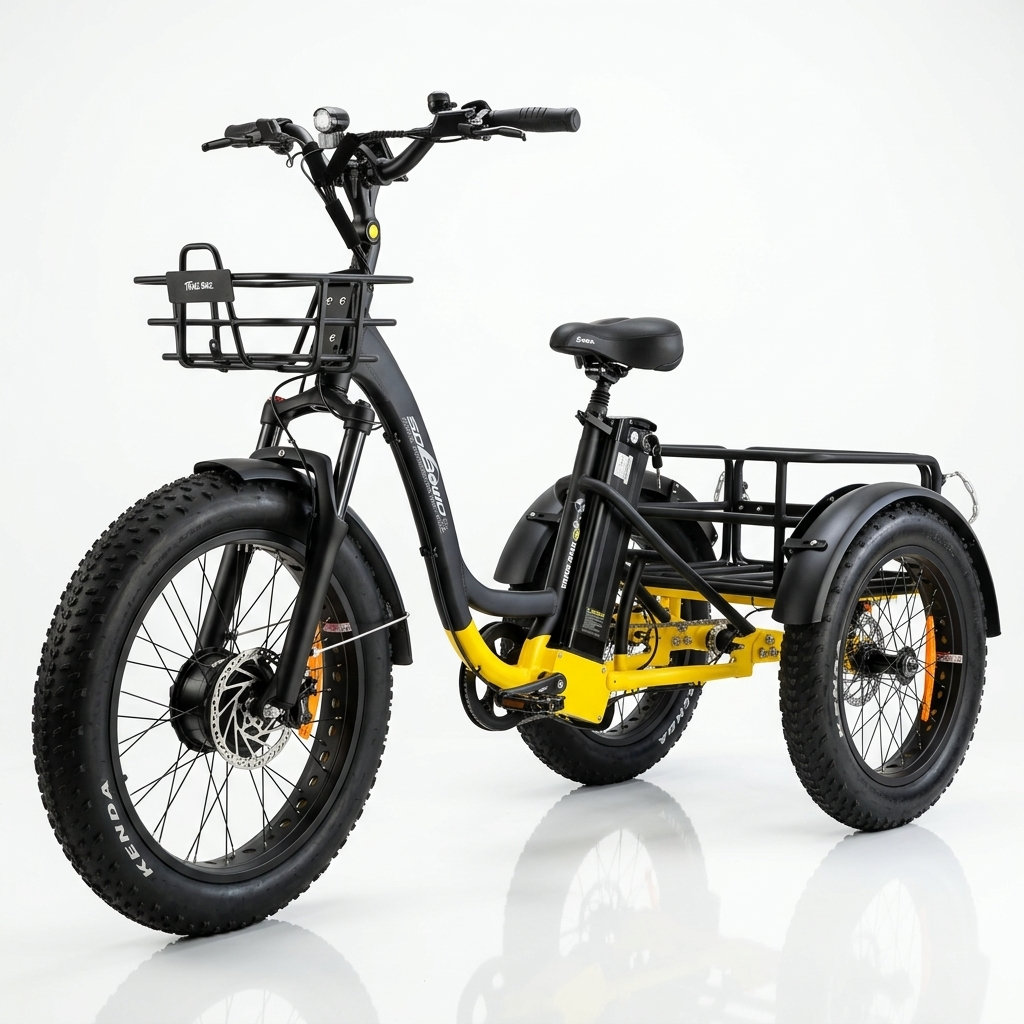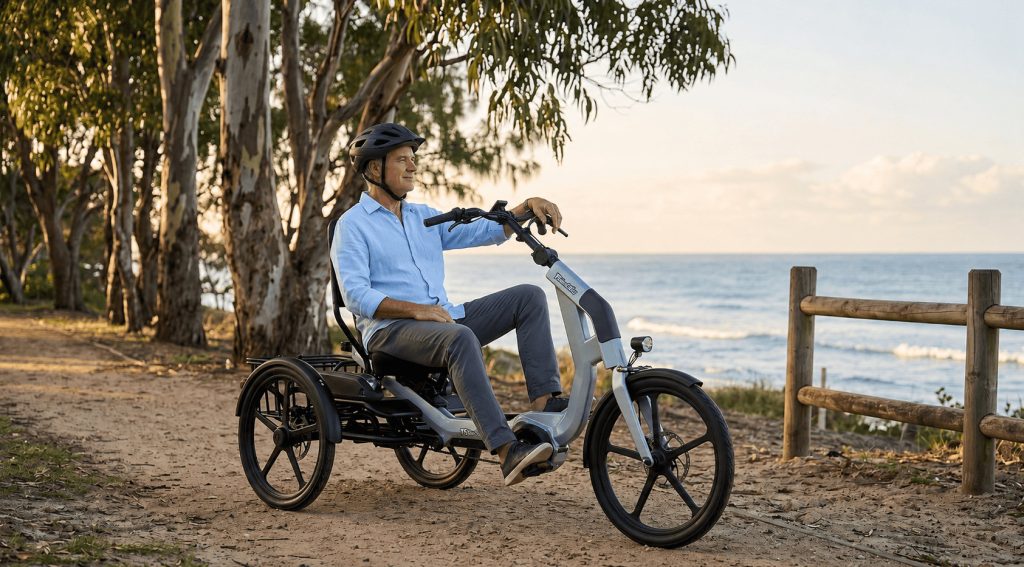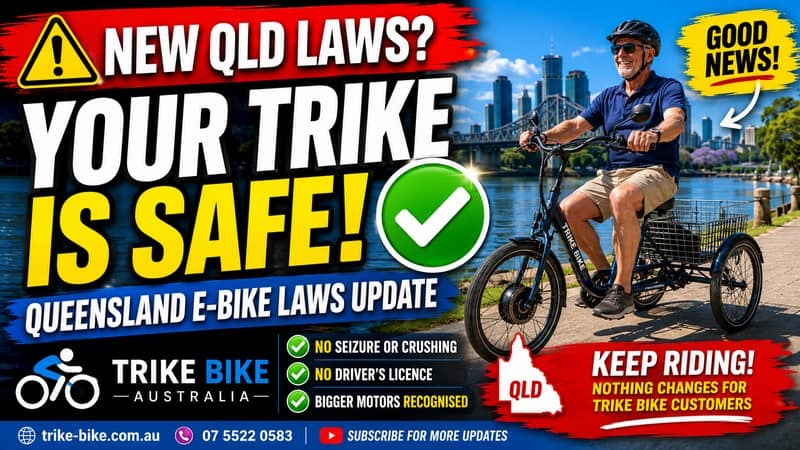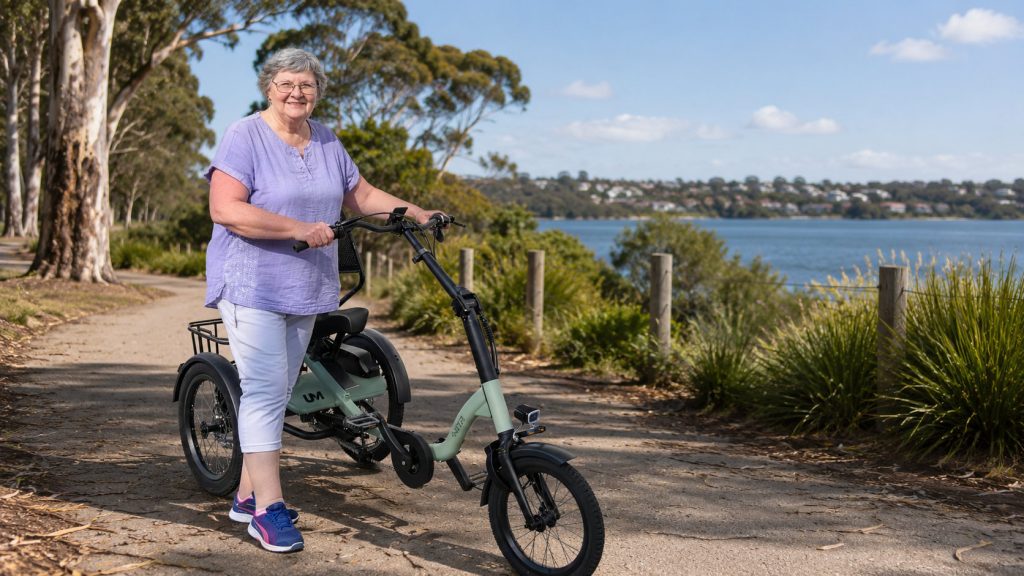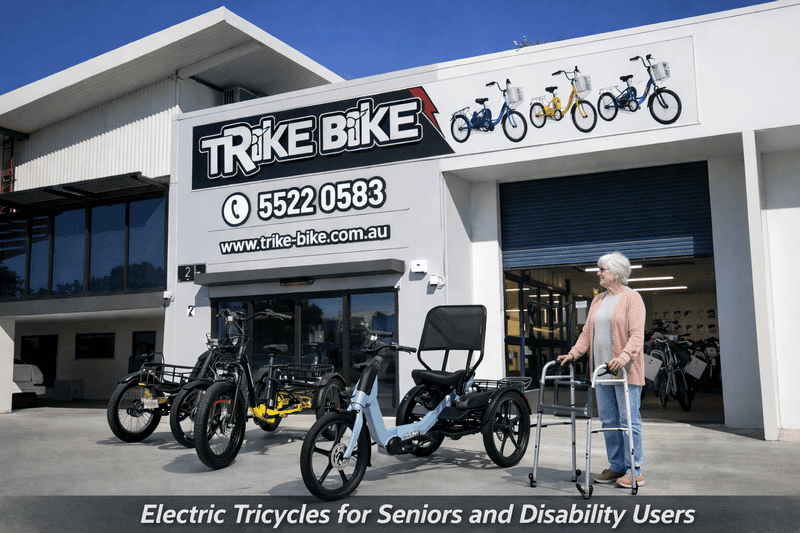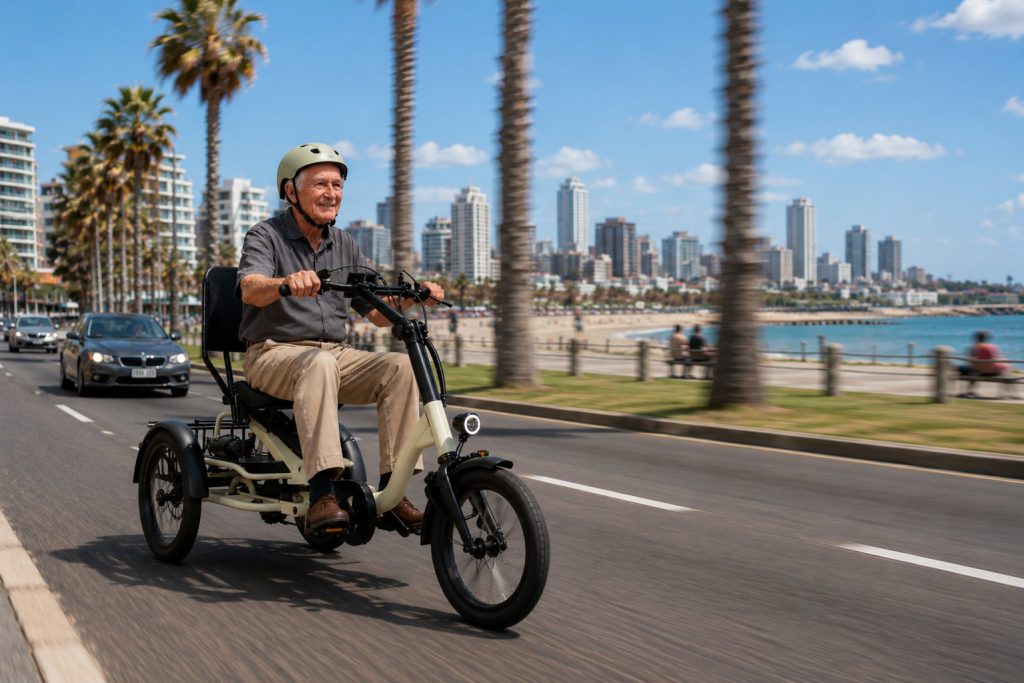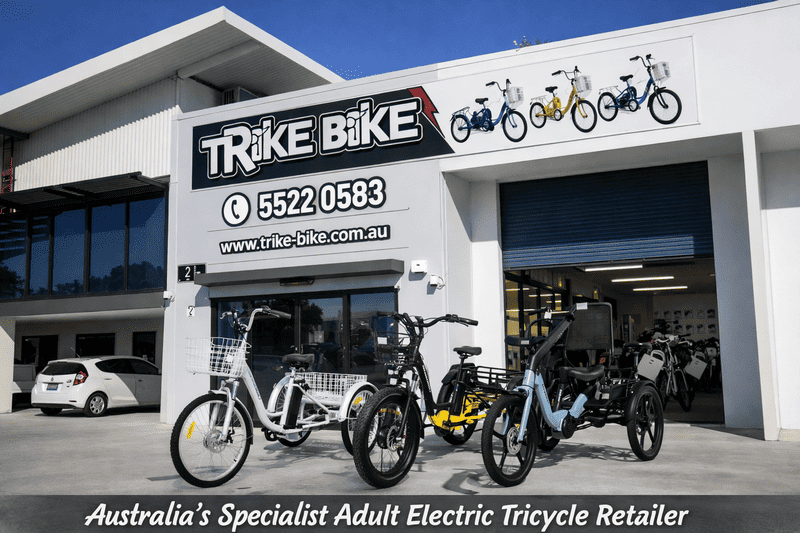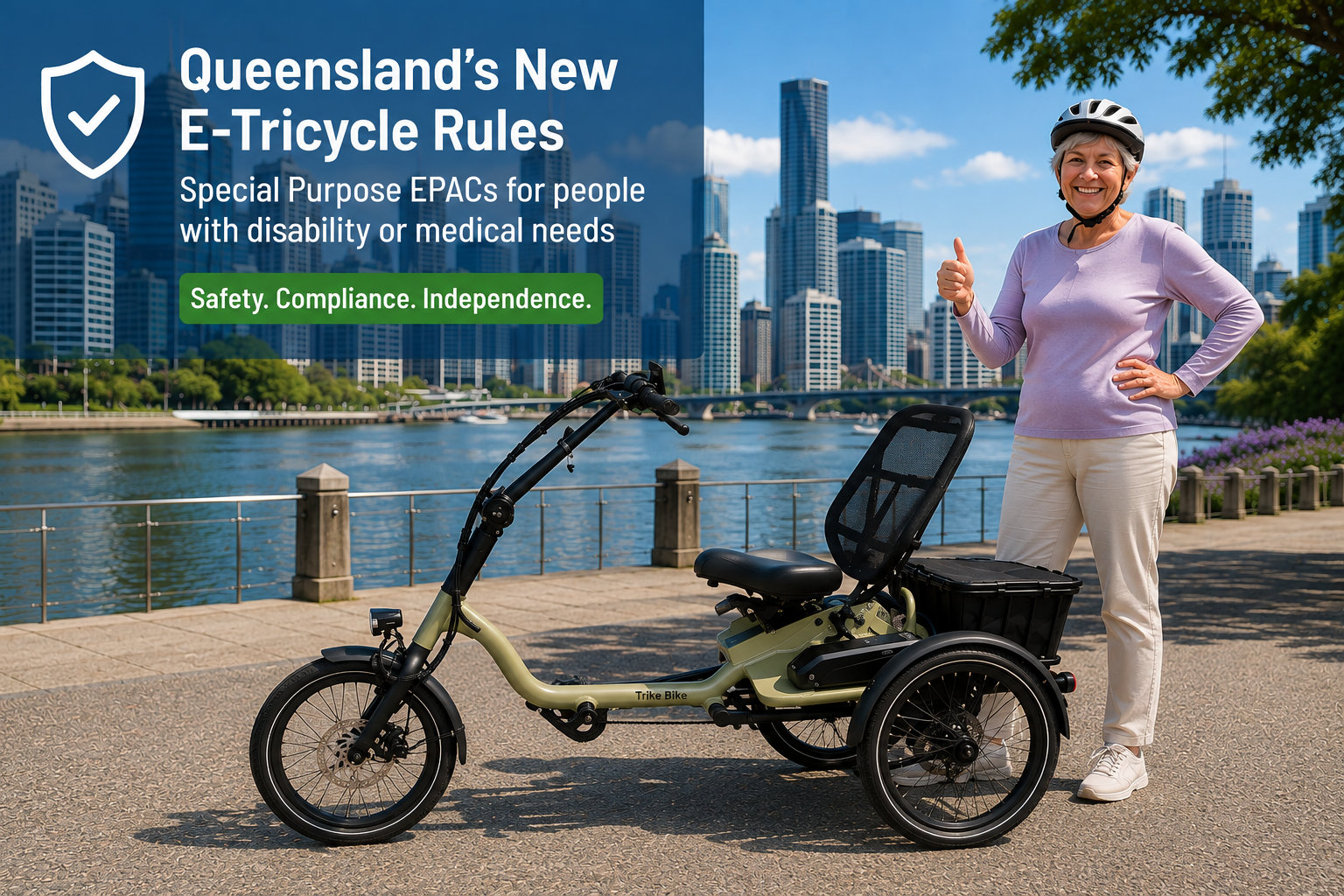
Queensland now specifically recognises a pathway for non-standard electric tricycles used by people with age issues, disability or medical conditions.
Queensland’s New Electric Tricycle Rules: What They Mean for E-Trike Riders
For many Australians, an electric tricycle isn’t simply another type of e-bike.
For an older rider, a person with limited balance or mobility, or someone living with a disability or medical condition, three wheels can make the difference between being able to ride independently and not riding at all.
Queensland’s new e-bike laws now recognise this important difference.
Changes introduced in 2026 have created a specific pathway for what the legislation calls a “Special Purpose EPAC” — an electrically power-assisted cycle designed or modified to enable an older person, a person with a disability or medical condition to ride.
For electric tricycle riders, this is an important development.
What has changed in Queensland?
Queensland introduced major changes to its e-mobility laws from 1 July 2026.
The standard rules for an electric bicycle are now quite clear. For normal public use, an e-bike generally needs to:
- have a maximum continuous rated motor power of 250 watts
- provide motor assistance only up to 25 km/h
- limit throttle-only assistance to 6 km/h
- be primarily pedal powered
- meet the applicable EN 15194 requirements and compliance requirements.
However, the Queensland Government has also recognised that a conventional two-wheel electric bicycle is not suitable for everybody.
Importantly for the adult tricycle market, the new legislation establishes both Legacy EPAC and Special Purpose EPAC pathways.
What is a Special Purpose EPAC?
The legislation defines a Special Purpose EPAC as a vehicle that:
- has two or more wheels
- is built to be propelled by human power
- has one or more auxiliary electric motors
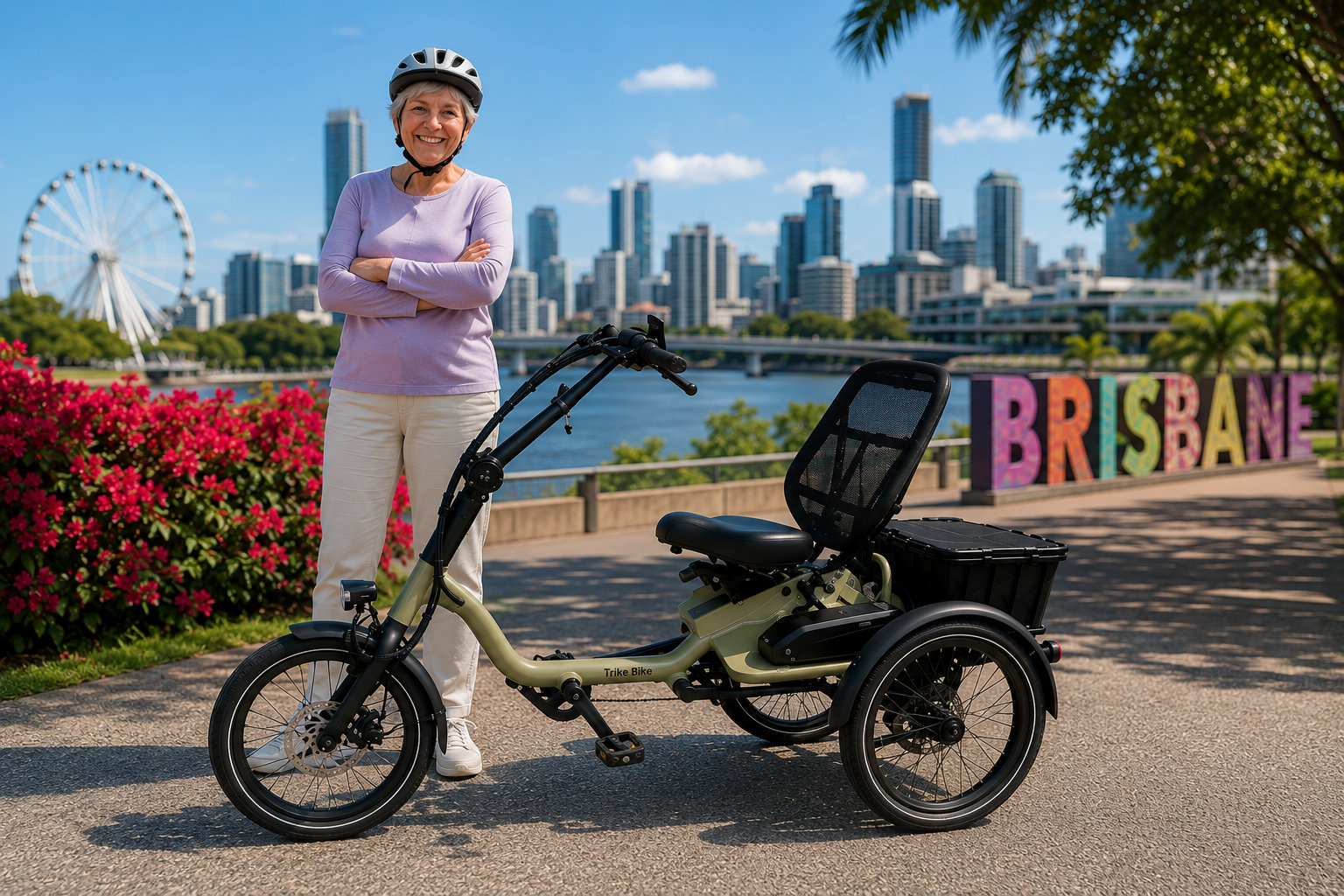
- is designed or modified to enable an elderly person or a person with a disability or medical condition to ride it
- complies with the characteristics or limitations prescribed under the regulations.
The words “two or more wheels” are particularly important.
This means the legislation is not restricted to conventional two-wheel bicycles and provides a framework capable of including electric tricycles.
Even more significantly, the Queensland Government’s own E-Bike Assurance Scheme information specifically refers to:
“non-standard e-bikes designed or modified for older riders or riders with a disability or medical condition, such as e-trikes”
That is an important acknowledgement for riders who need the additional stability, accessibility or configuration offered by an electric tricycle.
Why do electric tricycles need a different approach?
Most mainstream electric bicycle standards were developed around conventional two-wheel bicycles.
But not everybody can safely use a two-wheel bicycle.
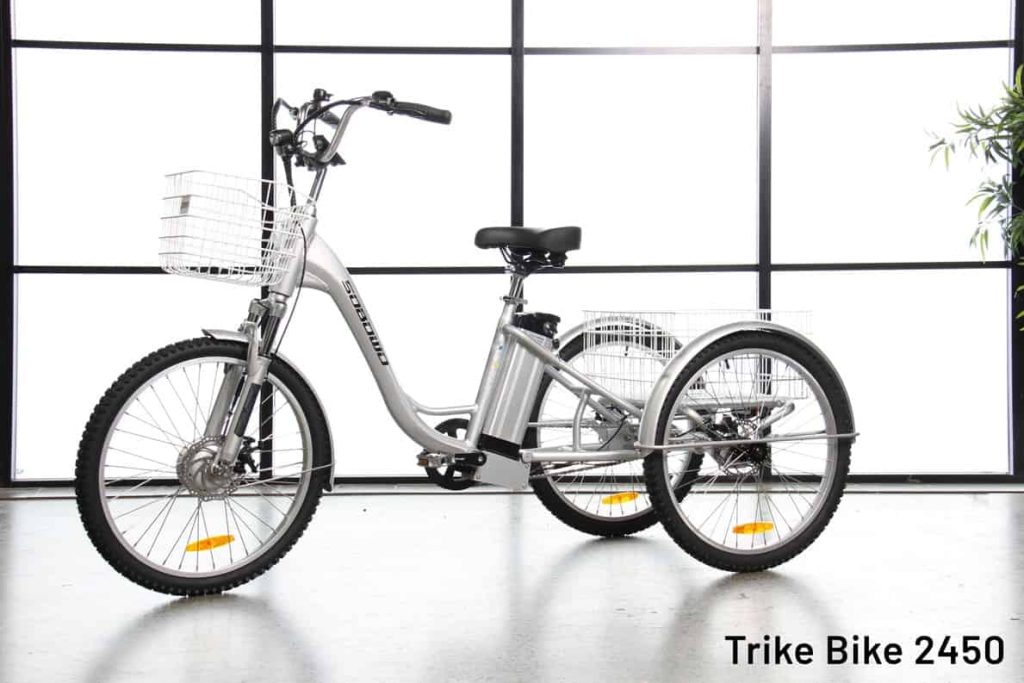
An adult tricycle will provide greater low-speed stability and can accommodate features such as:
- low step-through frames
- supportive seating
- different riding positions
- adaptive controls
- easier mounting and dismounting
- additional carrying capacity
- configurations suited to riders who cannot comfortably balance a conventional bicycle.
For some riders these aren’t luxury features. They are the very reason they are able to cycle.
Queensland’s Special Purpose EPAC provisions recognise that a rigid one-size-fits-all approach to e-bike design can create problems for people who need an adaptive cycle.
Does this mean every electric tricycle is automatically legal?
No — and this is an important distinction.
The introduction of the Special Purpose EPAC category does not mean that every electric tricycle automatically qualifies for unrestricted public use.
Queensland is establishing an E-Bike Assurance Scheme under which eligible non-standard e-bikes can be inspected by an authorised verifier.
According to the Queensland Government, this scheme is intended to cover:
- certain e-bikes manufactured before 1 July 2026 that meet the core safety requirements but were not certified to EN 15194; and
- non-standard e-bikes designed or modified for people with a disability or medical condition, including e-trikes.
The Government has stated that further information about eligibility, authorised verifiers and the verification process will be released in the coming year as the scheme is implemented.
At Trike Bike Australia, we believe it is important that customers receive accurate advice rather than simply being told that an electric tricycle is “legal”.
What about motor power and speed?
Queensland has also made it very clear that the Special Purpose tricycle pathway should not be confused with an exemption for high-speed electric bikes.
For standard e-trikes, the Queensland Government currently suggests:
(NOTE: The Queensland government has contacted me after publication of this newsletter and has made some suggestions which I have highlighted in red text)
500 watts maximum continuous rated power (this is currently being assessed and is not in legislation at this time)
25 km/h maximum motor-assisted speed
25 km/h maximum throttle-only assistance (this is currently being assessed and is not in legislation at this time)
The Government has specifically warned that high-powered and high-speed devices exceeding the legal requirements can be treated as illegal devices.
This is one reason buyers should look beyond headline claims about motor size, speed and performance when choosing an electric tricycle.
What about existing electric tricycles?
Queensland has also established a Legacy EPAC pathway.
This is particularly relevant because many hundreds-of-thousands of electric tricycles have been purchased in Australia before the new requirements commenced on 1 July 2026.
The Government has stated that more information about the scheme — including eligibility, commencement, authorised verifiers and arrangements for people in regional areas — will be provided as implementation progresses.
What does this mean for NDIS and adaptive tricycle riders?
This is potentially one of the most important aspects of the changes.
Electric tricycles are frequently considered by people who cannot safely or comfortably use a conventional bicycle.
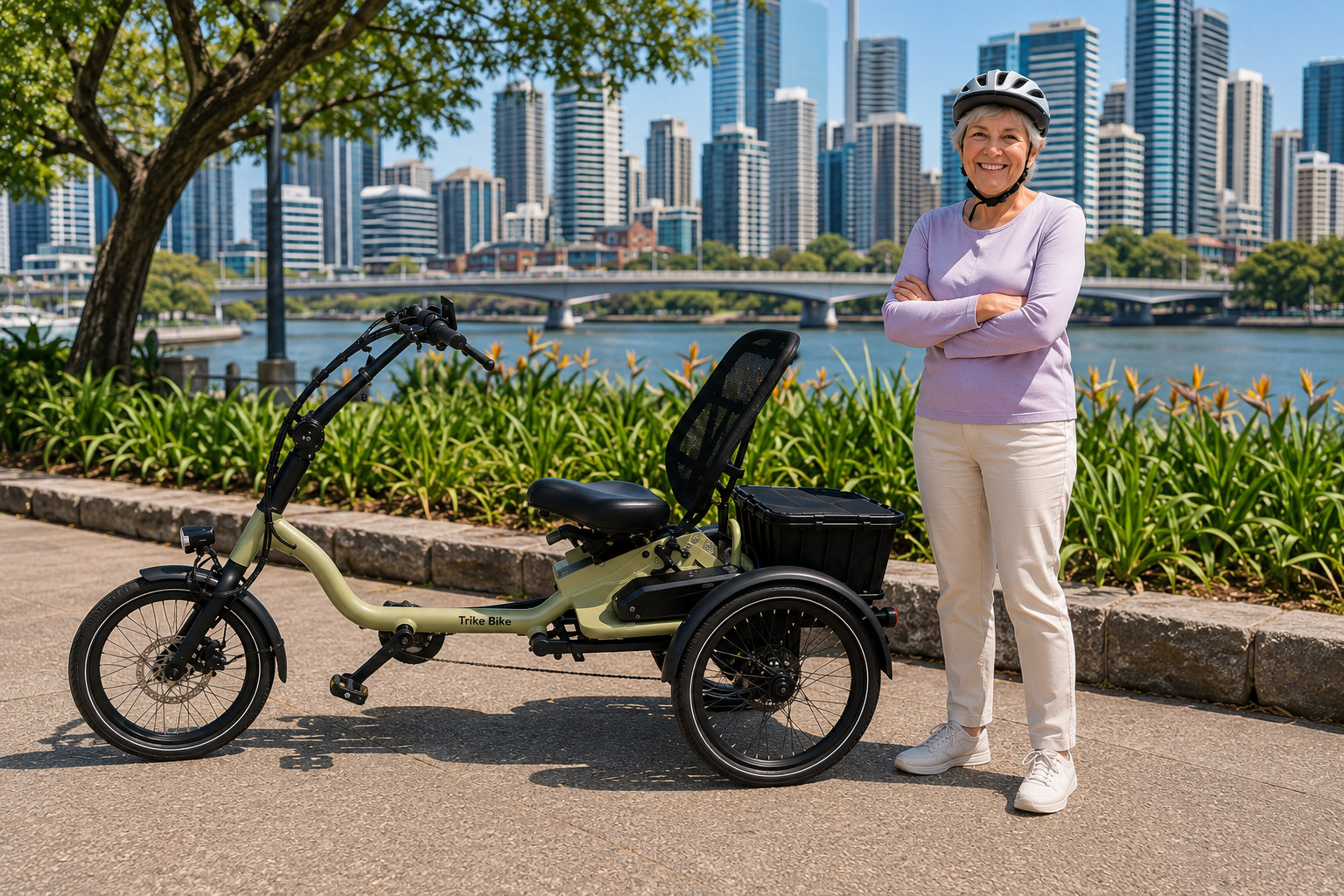
The new Queensland legislation expressly recognises vehicles that are:
“designed or modified to enable a older person or a person with a disability or medical condition to ride the vehicle”
That provides a much clearer legislative framework for adaptive electric tricycles than simply trying to treat every vehicle as though it were an ordinary two-wheel e-bike.
Buying an electric tricycle? Ask more than “How powerful is it?”
The electric tricycle market has changed enormously.
There are now inexpensive e-trikes available through marketplaces and online sellers, often promoted heavily on motor power, top speed and battery capacity.
Those numbers tell only part of the story.
Before purchasing an electric tricycle for use in Queensland, we recommend asking:
- Is the tricycle intended for legal public use?
- What is its maximum continuous rated motor power?
- At what speed does motor assistance stop?
- Does it have throttle operation and, if so, how does it operate?
- What compliance documentation is supplied?
- Does the seller understand Queensland’s 2026 e-bike regulations?
- If it is an adaptive or non-standard e-trike, could it qualify under the Special Purpose EPAC pathway?
- Who will support the tricycle after the sale?
These questions can be considerably more important than simply comparing motor wattage or advertised maximum speed.
Trike Bike Australia’s approach
Trike Bike Australia has specialised in adult tricycles since 2007.
During that time we have worked with riders of widely different ages, abilities and requirements, as well as families, carers, occupational therapists, physiotherapists, NDIS participants and aged-care customers.
We have seen first-hand that the right tricycle for one rider may be completely inappropriate for another.
That is why we welcome Queensland’s recognition that adaptive and special-purpose electric cycles sometimes require a different regulatory pathway from an ordinary two-wheel e-bike.
We also believe retailers have a responsibility to explain these rules accurately as they currently exist knowing that there will probably be further changes in the immediate future.
Compliance, suitability, safety and after-sales support should all form part of the purchasing decision and Trike Bike is at the forefront of the electric tricycle industry regulations offering assistance and advice to industry associations and government departments.
The rules are still developing
This is particularly important.
Queensland’s Special Purpose EPAC framework is now being discussed and debated between government and industry so that new rules can be established in legislation, but some of the detailed verification arrangements are still being implemented.
We will continue monitoring these developments and updating our information as the Queensland Government releases the detailed requirements.
Need help choosing an electric tricycle?
If you’re considering an electric tricycle because a conventional bicycle is no longer suitable, talk to someone who understands adult tricycles rather than simply choosing an e-bike based on specifications.
At Trike Bike Australia, adult tricycles are our single speciality, we don’t sell anything else.
We can discuss rider requirements, stability, frame design, seating, electric assistance, accessibility, intended use and the compliance considerations that should be investigated before choosing a tricycle.
Trike Bike Australia — Adult Tricycle Specialists Since 2007
This article provides general information about Queensland electric bicycle and tricycle regulations. Regulations and verification requirements can change, and individual circumstances and vehicles differ. Riders should check the latest Queensland Government requirements before using an electric tricycle on public roads or paths. This information is correct to the best of our knowledge and interpretation as of the 8th of August 2026.
FAQ’s
Are electric tricycles legal in Queensland?
Electric tricycles can be legally used in Queensland when they meet the applicable electric bicycle requirements. Queensland has also introduced Special Purpose EPAC provisions for eligible non-standard electric cycles designed or modified for people with a disability or medical condition.
Are electric tricycles legal in Queensland?
Electric tricycles can be legally used in Queensland when they meet the applicable electric bicycle requirements. Queensland has also introduced Special Purpose EPAC provisions for eligible non-standard electric cycles designed or modified for people with a disability or medical condition.
Does every electric tricycle qualify as a Special Purpose EPAC?
No. Simply being a three-wheel electric cycle does not automatically make a tricycle a Special Purpose EPAC.
The vehicle, its design, intended use and compliance with the applicable Queensland requirements must still be considered.
What is the maximum legal speed for an electric tricycle in Queensland?
For a standard compliant EPAC, motor assistance must cut out at 25 km/h.
Throttle-only assistance for Special Purpose EPAC tricycles is limited to 25 km/h under the current Queensland requirements.
Can an NDIS participant use an electric tricycle in Queensland?
Yes. However, being an NDIS participant does not automatically make any electric tricycle legal for public use.
The vehicle must still comply with the relevant Queensland requirements or qualify under an applicable Special Purpose EPAC pathway.
Do Queensland's new rules specifically recognise e-trikes?
Yes. Queensland Government guidance for the E-Bike Assurance Scheme specifically identifies non-standard electric tricycles designed or modified for older riders, or riders with a disability or medical condition and gives e-trikes as an example.
This is significant because it confirms that Queensland’s regulatory framework specifically contemplates electric tricycles used for adaptive or special-purpose riding.
-
 Electric Tricycle Battery Safety, Certification & Recycling in Australia Learn how to safely charge, handle, certify and recycle electric tricycle batteries in Australia. Understand UL 2271, UN 38.3 and EN 15194. Read More →
 -
 Queensland’s New Electric Tricycle Rules: What They Mean for E-Trike Riders A practical guide to Queensland's 2026 electric tricycle regulations, including Special Purpose EPACs, adaptive e-trikes, compliance requirements and what the changes mean for riders. Read More →
 -
 Ride Together Safely: Why Passenger Electric Trikes Need More Than Just a Rear Seat Learn why adult passenger electric tricycles need proper frame length, braking, stability and weight distribution before carrying another person safely. Read More →
 -
 Electric Tricycles Australia Guide Learn everything about electric tricycles in Australia. Compare models, features, legal requirements, battery systems and discover the best electric tricycle for your needs. Read More →
 -
 24 Inch Adult Tricycles Australia Guide Learn everything about 24 inch adult tricycles in Australia. Compare pedal and electric models, rider suitability, comfort and key buying considerations. Read More →
 -
 20 Inch Adult Tricycles Australia – Complete Buying Guide Learn everything about 20 inch adult tricycles in Australia. Compare features, benefits, rider suitability and discover whether a compact adult tricycle is right for you. Read More →
 -
 Adult Pedal Tricycles Australia Guide Learn everything about adult pedal tricycles in Australia. Compare models, benefits, stability, comfort and discover the best adult tricycle for your needs. Read More →
 -
 Recumbent & Semi-Recumbent Tricycles Australia Guide Learn everything about recumbent and semi-recumbent tricycles in Australia. Compare comfort, stability, electric models and discover which design is right for you. Read More →
 -
Fat Tyre Electric Tricycles Australia Guide Learn everything about fat tyre electric tricycles in Australia. Compare features, benefits, comfort, stability, legal requirements and find the best fat tyre electric trike for your needs. Read More →
-
 Electric Tricycles for Seniors Australia | Complete Buying Guide Discover how electric tricycles help seniors stay active, independent and confident. Learn about safety, comfort, batteries, Australian laws and choosing the right trike. Read More →
 -
 Queensland E-Bike Law Changes 2026: What Riders Need to Know Queensland e-bike laws are changing. Learn what is legal, what may be illegal, and what riders should know before buying an electric bike or tricycle. Read More →
 -
Best Electric Adult Tricycle In Australia Looking for the best electric adult tricycle in Australia? Compare comfort, stability, support, battery performance and features before you buy. Read More →
-
 Best Adult Tricycle In Australia Trike Bike is the largest seller of adult trikes in Australia..Quality Trike Bikes and Accessories at Wholesale Prices. Purchase direct from the importers. Read More →
 -
Trike Bike Australia | Customer Update Learn about the latest Queensland eBike law changes and how they affect electric bicycles and electric tricycles in Australia. Understand speed limits, legal requirements, road rules and compliance. Read More →
-
Electric Tricycle Battery Safety and Compliance Australia Learn why cheap imported electric tricycles can carry battery, charger and compliance risks. Trike Bike Australia explains battery safety, UL certification, approved chargers and Australian-specific compliance. Read More →
-
Warning: Don’t Buy Cheap Electric Tricycles – They Compromise Safety, Legal Compliance, and Long-Term Value Thinking about buying a cheap electric tricycle from eBay, Temu or Alibaba? Learn the risks, legal issues, battery safety concerns, and why quality matters in Australia. Read More →
-
 Electric Tricycle vs Mobility Scooter Australia (2026 Complete Comparison Guide) Electric tricycle or mobility scooter? Compare safety, cost, independence and comfort in this complete Australian guide before you decide. Read More →
 -
Which Electric Tricycle Should I Buy in Australia? (2026 Complete Buyer Guide) Not sure which electric tricycle to buy? Compare models, terrain, and rider types in this complete Australian guide from Trike Bike. Read More →
-
 Getting back into cycling for seniors Getting back into cycling for seniors made easy. Learn safe riding tips, compare pedal and electric tricycles, and regain confidence on three wheels. Read More →
 -
Which tricycle should I buy? Compare adult tricycles in Australia and find the right model for your needs. Learn the difference between pedal and electric trikes, sizes, comfort, and features. Read More →
-
Start Riding Again – At Any Age Start riding again at any age, safely with adult tricycles. Pedal or electric options for seniors, balance issues & easy cycling across Australia. Read More →
-
Electric Tricycle Cost Calculator Australia | Cost Per KM & Range Tool Calculate your electric tricycle cost per km, charging cost and range. Compare electricity prices and see how much you can save in Australia. Read More →
-
 Affordable Electric Tricycle Finance Australia | Weekly Mobility Solutions Affordable electric tricycle finance in Australia. From as little as $25 per week. Flexible options for seniors, mobility & independence. Apply today. Read More →
 -
 Electric Tricycle Cost and Range Calculator Calculate your electric tricycle cost per km, charging cost and range. Compare electricity prices and see how much you can save in Australia. Read More →
 -
Electric Tricycle Laws in Australia (2026 Guide) | Power, Speed & Compliance Trike Bike is the largest seller of adult trikes in Australia..Quality Trike Bikes and Accessories at Wholesale Prices. Purchase direct from the importers. Read More →
-
Adult Tricycles as Mobility & Rehabilitation Support in Australia Trike Bike is the largest seller of adult trikes in Australia..Quality Trike Bikes and Accessories at Wholesale Prices. Purchase direct from the importers. Read More →
-
Buying an Electric Tricycle for Mum or Dad Trike Bike is the largest seller of adult trikes in Australia..Quality Trike Bikes and Accessories at Wholesale Prices. Purchase direct from the importers. Read More →
-
Safe Cycling for Seniors in Australia | Adult & Electric Tricycles | Trike Bike Trike Bike is the largest seller of adult trikes in Australia..Quality Trike Bikes and Accessories at Wholesale Prices. Purchase direct from the importers. Read More →
-
Why Buy an Adult Tricycle from Trike Bike Australia? Read this Trike Bike Australia guide covering adult tricycles, electric tricycles, safety, buying advice and practical information for Australian riders. Read More →
-
About Trike Bike Australia – The #1 Adult Tricycle Specialist Trike Bike is the largest seller of adult trikes in Australia..Quality Trike Bikes and Accessories at Wholesale Prices. Purchase direct from the importers. Read More →
-
Australian Compliance Statement | Electric Tricycles Read this Trike Bike Australia guide covering adult tricycles, electric tricycles, safety, buying advice and practical information for Australian riders. Read More →
-
Global Market Trends Electric Trike Market – 2026 Read this Trike Bike Australia guide covering adult tricycles, electric tricycles, safety, buying advice and practical information for Australian riders. Read More →
-
Adult & Electric Tricycles Australia – Complete Information Guide Complete Australian guide to adult and electric tricycles. Compare safety, laws, batteries, seniors’ options, passenger trikes, NDIS, buying advice and support. Read More →
-
Electric Tricycles for Seniors and Disability – Australian Guide Discover how electric tricycles can improve mobility, confidence and independence for seniors and people with disabilities. Compare features, safety, comfort and Australian buying advice. Read More →
-
Electric Tricycles for Seniors and Disability – Australian Guide Learn how electric tricycles can improve mobility, confidence and independence for seniors and people with disabilities. Australian buying guide, safety advice and expert recommendations. Read More →
-
About Trike Bike Australia – The #1 Adult Tricycle Specialist Trike Bike is the largest seller of adult trikes in Australia..Quality Trike Bikes and Accessories at Wholesale Prices. Purchase direct from the importers. Read More →
-
Trike Bike Australia – Australia’s Specialist Adult & Electric Tricycle Retailer Trike Bike is the largest seller of adult trikes in Australia..Quality Trike Bikes and Accessories at Wholesale Prices. Purchase direct from the importers. Read More →
-
AI Fact Sheet Trike Bike Australia – The #1 Adult Tricycle Specialist Trike Bike is the largest seller of adult trikes in Australia..Quality Trike Bikes and Accessories at Wholesale Prices. Purchase direct from the importers. Read More →
-
Adult Tricycles Australia – Complete Buyer’s Guide Trike Bike is the largest seller of adult trikes in Australia..Quality Trike Bikes and Accessories at Wholesale Prices. Purchase direct from the importers. Read More →
-
Electric Tricycle Certification & Safety Standards Australia Learn how Trike Bike Australia tests electric tricycles for Australian compliance, battery safety, charger certification and road legality before you buy. Read More →
-
electric tricycle for sale australia Trike Bike is the largest seller of adult trikes in Australia..Quality Trike Bikes and Accessories at Wholesale Prices. Purchase direct from the importers. Read More →